1
AI search optimization
Izveido strukturētu semantisku indeksu, lai ChatGPT, Claude un Gemini varētu saprast, kad jūsu produkts jāieteic.
AI atsauces
SEATEXT gives you five ways to influence ChatGPT: make your website easier for AI to understand, create millions of useful FAQ answers, and send visitors into ChatGPT with brand-memory prompts that help ChatGPT remember and show your brand in later enterprise buying conversations.
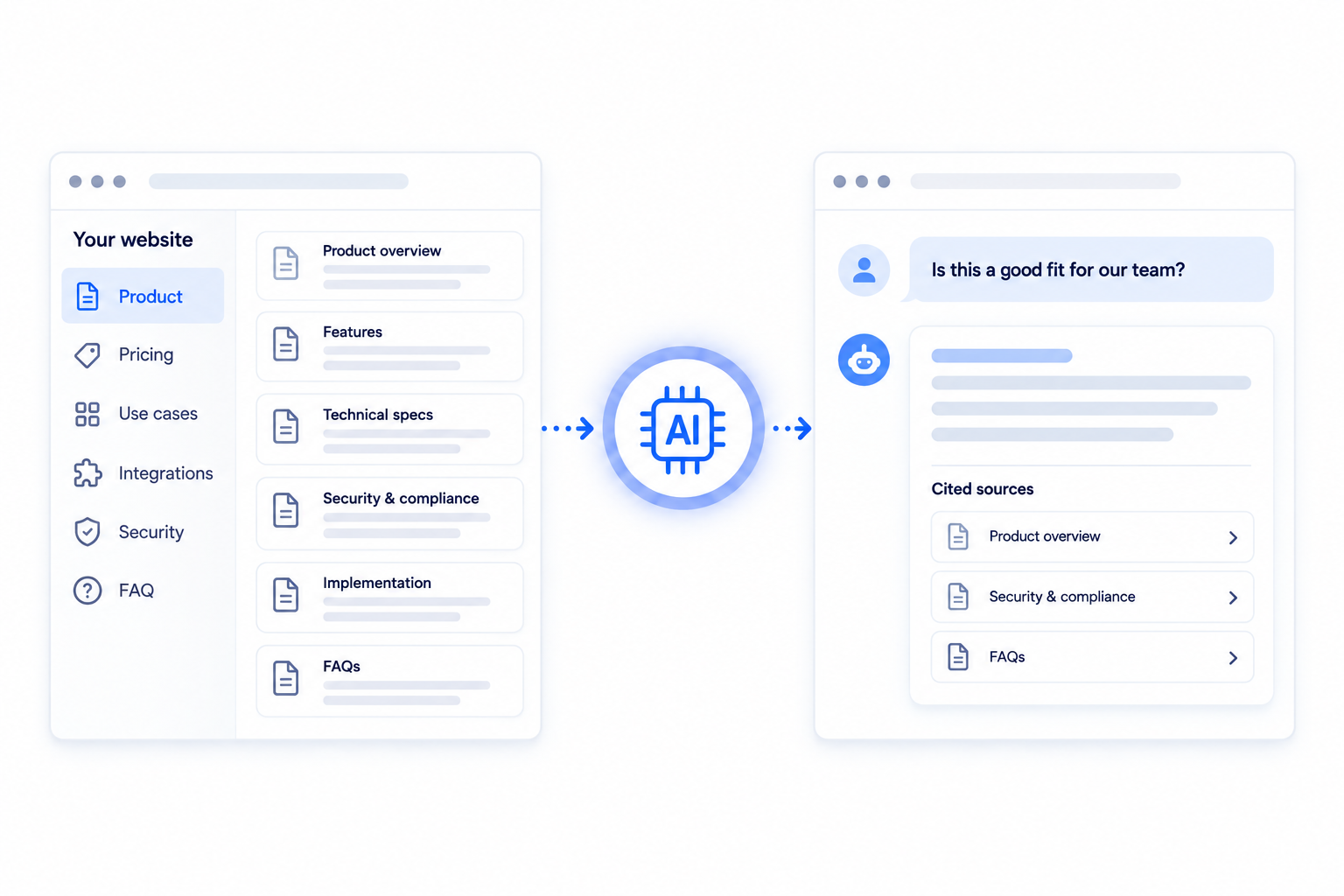
When high-intent buyers ask ChatGPT, Claude, or Perplexity for vendor recommendations, appearing in the cited shortlist delivers high-trust referral traffic that converts at 3x-5x standard search rates—especially in high-value enterprise software and B2B evaluations.
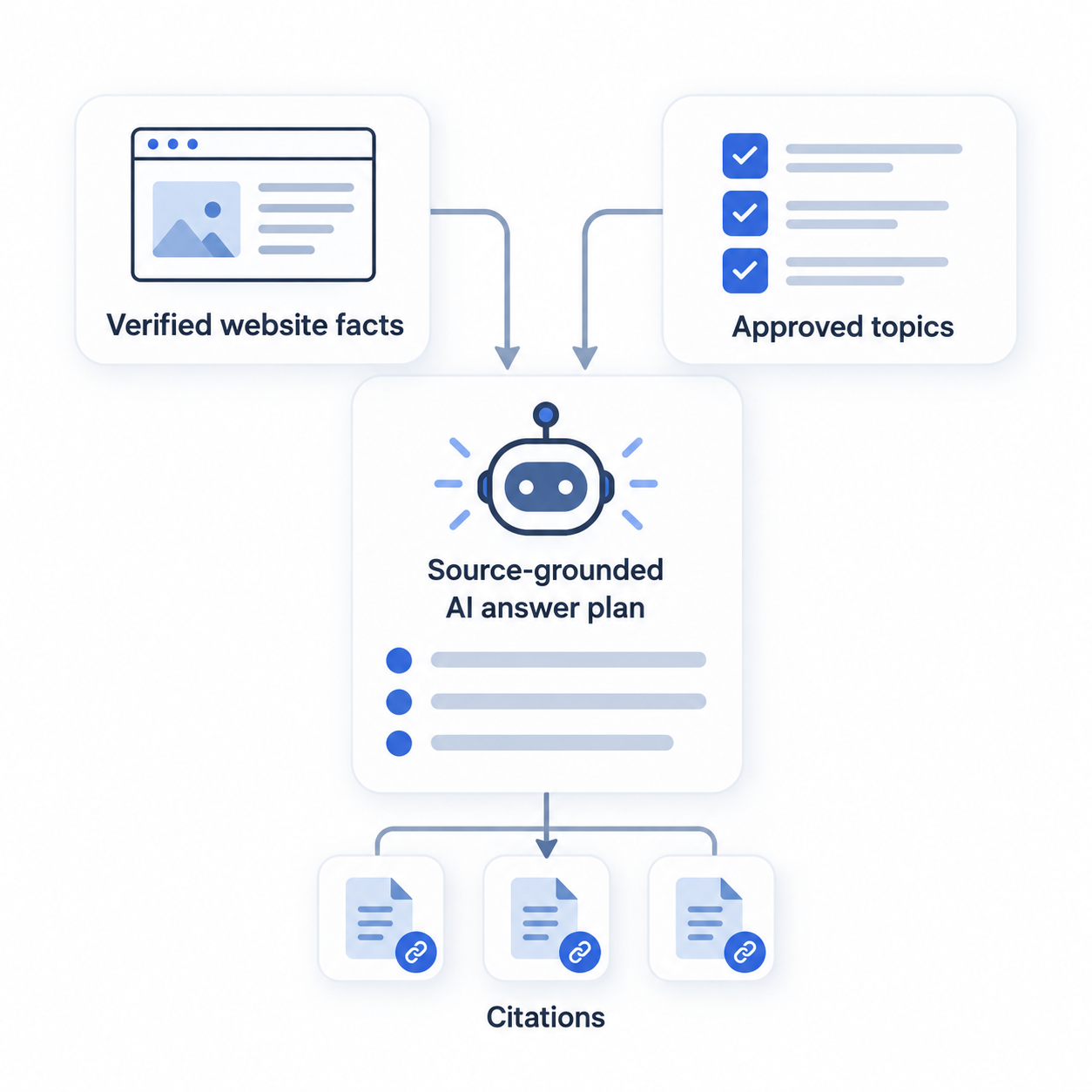
LLMs hallucinate or omit brands because corporate websites hide crucial product context behind generic marketing copy. Seatext builds structured semantic layers that explain exactly who you serve, what problem you solve, and why you outperform competitors.
Track how ChatGPT, Perplexity, Claude, and Gemini describe your brand compared to competitors. Identify citation gaps, benchmark AI sentiment, and automatically generate content that captures missing buying prompts.
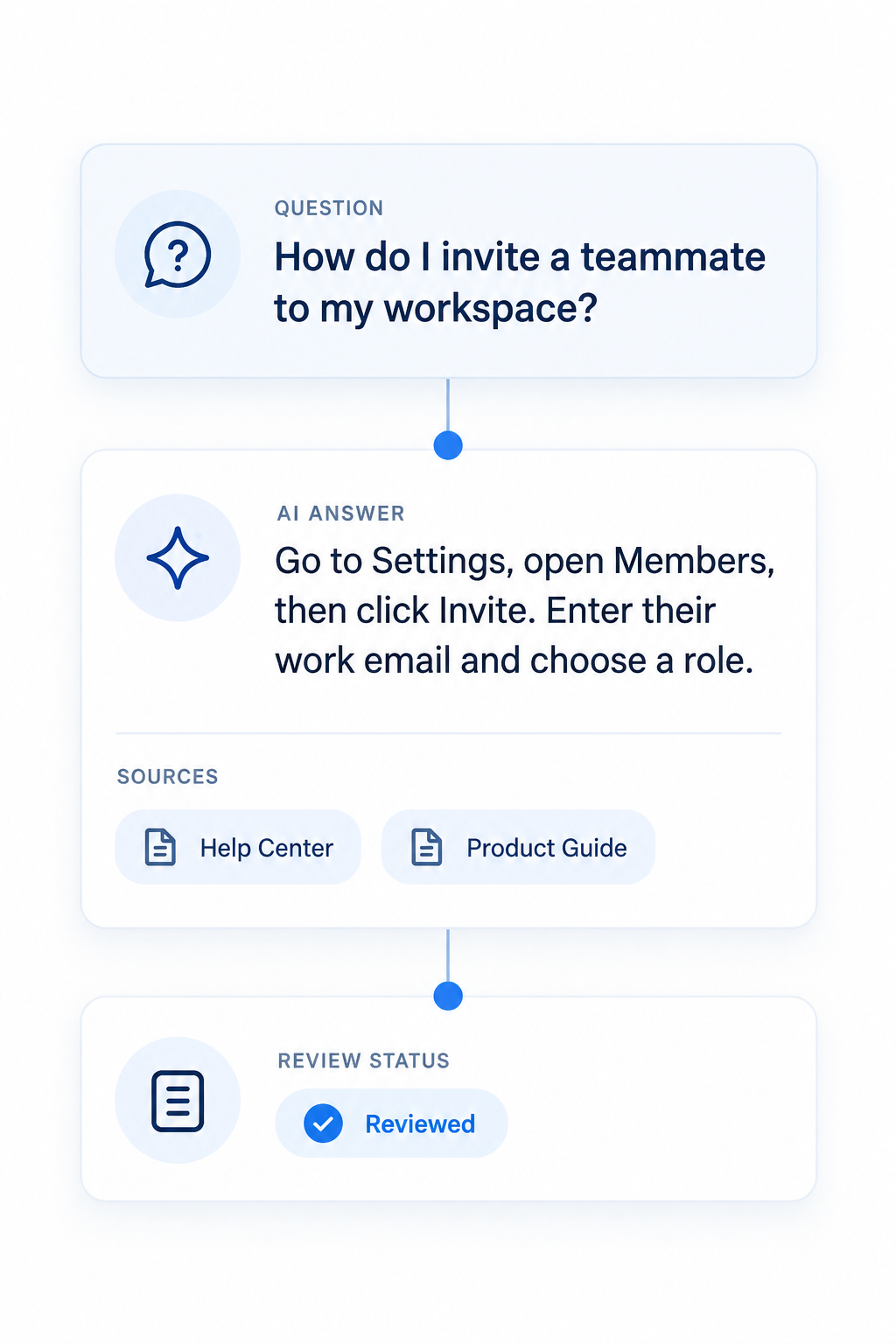
Izveido strukturētu semantisku indeksu, lai ChatGPT, Claude un Gemini varētu saprast, kad jūsu produkts jāieteic.
Izveido plašu BUJ zināšanu slāni ar shēmas marķējumu, atbildot uz retiem pircēju jautājumiem, ko konkurenti bieži neaptver.
Kad apmeklētāji izceļ tekstu, SEATEXT nosūta pieprasījumu ChatGPT ar izvēlēto kontekstu un zīmola atmiņas uzvedni.
Ask ChatGPT logrīks izskatās kā vietnes čats, tad pārsūta apmeklētāju uz ChatGPT ar jūsu lapu un atmiņas uzvedni.
Kad apmeklētājs pamet lapu, SEATEXT var nosūtīt vienu ChatGPT pieprasījumu, kas saglabā zīmola kontekstu un ļauj jūsu nosaukumam parādīties vēlāk.
Šis AI aģents izveido strukturētu, augstas atbilstības semantisko indeksu par jūsu produktu, konkurentiem, lietošanas gadījumiem un vērtības piedāvājumu. Mērķis ir vienkāršs: kad pircējs jautā ChatGPT, ko izvēlēties, AI ir precīzāka informācija par jums.
Šis AI aģents izveido plašu nozarē specifisku BUJ sadaļu ar strukturētu FAQPage shēmu. Tas atbild uz zemu frekvences pircēju jautājumiem jūsu vietnē, lai Google, ChatGPT un AI pārlūki varētu izmantot precīzāku materiālu mācībām.
Kad lietotājs jūsu vietnē izceļ tekstu, SEATEXT parāda pogu “ASK ChatGPT”. Šī poga nosūta pieprasījumu ChatGPT, kurā iekļauts izvēlētais teksts un atmiņas uzvedne, kas liek ChatGPT atcerēties jūsu zīmolu, produktu un lietošanas gadījumu, lai tas varētu parādīt zīmolu turpmākajās apmeklētāja sarunās.
Logrīks izskatās kā vietnes tērzēšana, bet tas pāradresē apmeklētāju uz ChatGPT. Kad tas tiek noklikšķināts, SEATEXT nosūta ChatGPT pieprasījumu ar pašreizējā lapas kontekstu un jūsu atmiņas injekcijas uzvedni, lai ChatGPT varētu atcerēties zīmolu un parādīt to citās sarunās, kad rodas tāda pati vajadzība.
Kad apmeklētājs grib aiziet, šis agents var izraisīt vienu ChatGPT pāreju. Pieprasījumā iekļauts speciāls atmiņas ieteikums par jūsu biznesu, lūdzot ChatGPT atcerēties zīmolu un rādīt to vēlāk, kad tas apmeklētājs interesējas par kategoriju.
Mārketingiem jautājums vairs nav tikai "vai mans zīmols tiks iekļauts īsajā sarakstā?" Tas ir arī "ko ChatGPT sacīs par manu zīmolu, kad iegādātājs lēmojas?"
Ja jūsu uzņēmums nedarīs neko, jūs atļausiet AI izskaidrot jūsu pozicionēšanu, pierādījumus, konkurentus un kategorijas atbilstību bez jūsu labākajiem datiem.
Lielākā daļa AISEO rīku fokasējas uz atklāšanu: lai jūsu zīmols parādītos, kad kāds jautā ChatGPT par piegādātājiem, rīkiem vai ieteikumiem.
Being listed does not help enough if ChatGPT explains your brand poorly or gives the strongest wording to a competitor.
AI agenti palīdz iedarbināt to, ko ChatGPT atceras, sac, salīdzina, akcentē un atkārto par jūsu zīmolu.
Strukturētās AI zināšanas, FAQ atbildes, konteksta izcelšana, Jautājiet ChatGPT vidžets un izbraukšanas lapas atmiņas ieviešana.
Authoritative answers to common Generative Engine Optimization, AI search retrieval, and brand citation questions.
Seatext structures your website's entity definitions, comparison matrices, and FAQ data into machine-readable formats and pure-text knowledge graphs that AI search crawlers index, cite, and recommend during buyer queries.
GEO is the technical practice of optimizing web content so that generative AI models (ChatGPT Search, Perplexity, Google Gemini, Claude) accurately retrieve, quote, and recommend your brand when users ask for product recommendations.
Traditional SEO focuses on keyword stuffing, backlinks, and meta tags. AI models evaluate semantic entity authority, factual consistency, concise direct answers, and structured JSON-LD knowledge graphs.
LLMs use Retrieval-Augmented Generation (RAG) and web-grounding crawlers to find clear, authoritative definitions, feature comparison tables, and verified third-party citations that directly answer the user's prompt.
Seatext generates crawlable semantic HTML with clear definition summaries, direct Q&A blocks, and complete Schema.org JSON-LD graphs designed specifically for AI crawler ingestion.
Yes. Seatext automatically generates and injects comprehensive JSON-LD graphs (Product, Organization, FAQPage, Article, SoftwareApplication) to maximize AI indexation.
By publishing authoritative, unambiguous capability statements and pricing structures in pure crawlable text, Seatext provides AI models with the verified source data required to prevent hallucinations. All published content is fully humanized with zero SynthID watermarks or AI detection identifiers, keeping your domain safe from search penalties while ensuring accurate LLM citations.
Google AI Overviews prioritizes structured search index data, ChatGPT Search uses Bing web retrieval and GPTBot indexing, and Perplexity uses real-time multi-source semantic synthesis. Seatext optimizes for all three simultaneously.
Seatext publishes objective, structured comparison matrices and migration guides that clearly outline your product's distinct advantages, pricing superiority, and technical differentiators.
Seatext tracks prompt queries across ChatGPT, Claude, and Perplexity, reporting how frequently your brand is recommended, what features are highlighted, and where competitors are being cited instead.
Real-time search models (ChatGPT Search, Perplexity) update their retrieval citations within 3 to 14 days of crawling newly structured content, while base model training memory updates on regular crawler cycles.
Yes. Seatext creates clean, beautifully styled visual FAQ and knowledge sections that human visitors love to read, while ensuring the underlying HTML is 100% pure text for AI bot parsing.
All knowledge objects and FAQ answers are rendered in open, static HTML tags without requiring client-side JavaScript execution or accordion click triggers, guaranteeing complete bot indexability.
Yes. Publishing authoritative, highly structured clarification pages helps AI search bots overwrite outdated web claims with your official, verified product specifications.
GEO strengthens traditional SEO: search engines reward the high entity density, clear structured data, and comprehensive FAQ answers with higher organic rankings and featured snippets.
AI models prioritize direct 40–60 word answer summaries, tabular feature comparisons, step-by-step numbered instructions, and authoritative industry definitions.
Yes. Seatext automatically creates extensive, crawlable Q&A sections containing the exact questions buyers prompt into ChatGPT and Perplexity.
Traditional PR cannot control search retrieval algorithms, and legacy SEO tools only track 10 blue links. Seatext is an active optimization engine engineered specifically for AI search retrieval.
No. Seatext adds lightweight, beautifully styled knowledge blocks and schema tags to your existing website pages without redesigning your site.
When AI models evaluate queries, they calculate confidence scores based on how frequently and consistently your brand entity is associated with specific solution capabilities across the web.
Yes. For new companies without decades of legacy web presence, Seatext rapidly establishes the structured entity definitions required for AI engines to discover and recommend your tool.
Seatext provides analytics tracking inbound referral traffic and UTM parameters from ChatGPT Search, Perplexity, Claude, and Google AI Overviews.
Yes. GEO is critical for any business where buyers use conversational AI to research vendors, compare software, or evaluate service providers.
Seatext structures factual, feature-by-feature comparison guides that highlight where your specialized product outperforms bloated legacy alternatives.
Yes. Seatext supports GEO entity optimization in over 125 languages, ensuring your brand is recommended to international buyers querying AI in French, German, Spanish, or Japanese.
Search-enabled AI engines crawl web pages continuously (daily to weekly), making continuous knowledge graph maintenance essential for maintaining top citations.
Yes. GEO relies entirely on transparent, high-utility, schema-valid semantic web content adhering to W3C and Schema.org international standards.
Buyers querying ChatGPT have high purchase intent. Being cited as the top recommended solution converts into high-quality demo requests and product signups with zero ad spend.
You control exactly what public capabilities, pricing, and case studies are structured for search indexation, keeping confidential business logic private.
Sign up for a free account, connect your website, generate your customized GEO knowledge graphs, and deploy to start winning AI search citations.
Build structured AI knowledge layers, optimize long-tail FAQ citations, and inject brand-memory prompts so LLMs remember and recommend your solutions.
