1
Otimização de Busca IA
Constrói um índice semântico estruturado para que ChatGPT, Claude e Gemini entendam quando seu produto deve ser recomendado.
Citações de IA
SEATEXT oferece cinco maneiras de influenciar o ChatGPT: tornar seu site mais fácil para a IA entender, criar milhões de respostas úteis de FAQ e enviar visitantes ao ChatGPT com prompts de memória de marca que ajudam o ChatGPT a lembrar e exibir sua marca em conversas de compra empresarial posteriores.
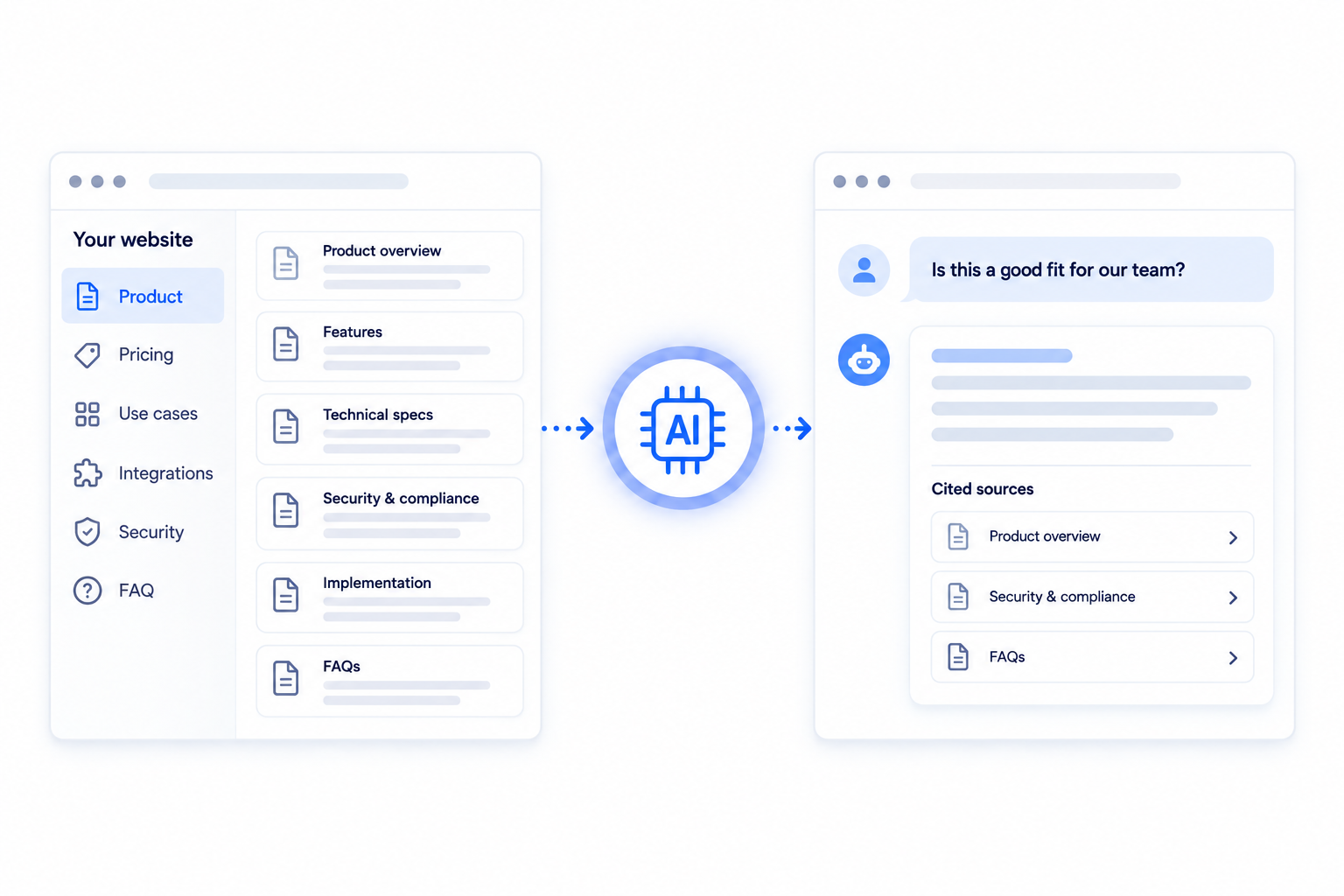
Quando compradores de alta intenção perguntam ao ChatGPT, Claude ou Perplexity por recomendações de fornecedores, aparecer na lista citada gera tráfego de referência de alta confiança que converte em taxas de 3x a 5x as taxas padrão de busca — especialmente em software empresarial de alto valor e avaliações B2B.
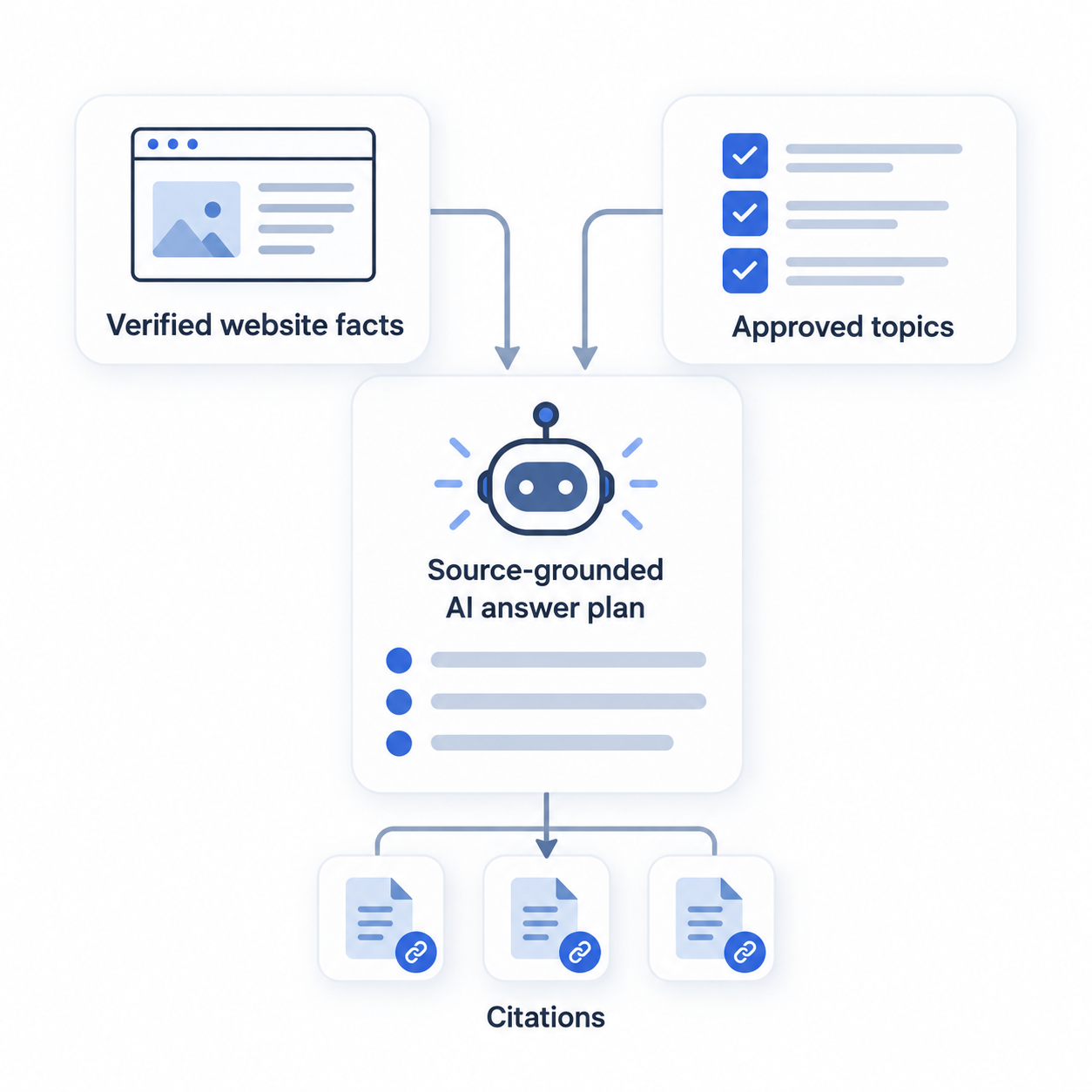
LLMs alucinam ou omitem marcas porque sites corporativos escondem o contexto crucial do produto atrás de cópias de marketing genéricas. Seatext cria camadas semânticas estruturadas que explicam exatamente a quem você serve, qual problema você resolve e por que você supera os concorrentes.
Acompanhe como ChatGPT, Perplexity, Claude e Gemini descrevem sua marca vs. concorrentes. Identifique lacunas de citação, avalie sentimento de IA e gere conteúdo que capture prompts de compra ausentes.
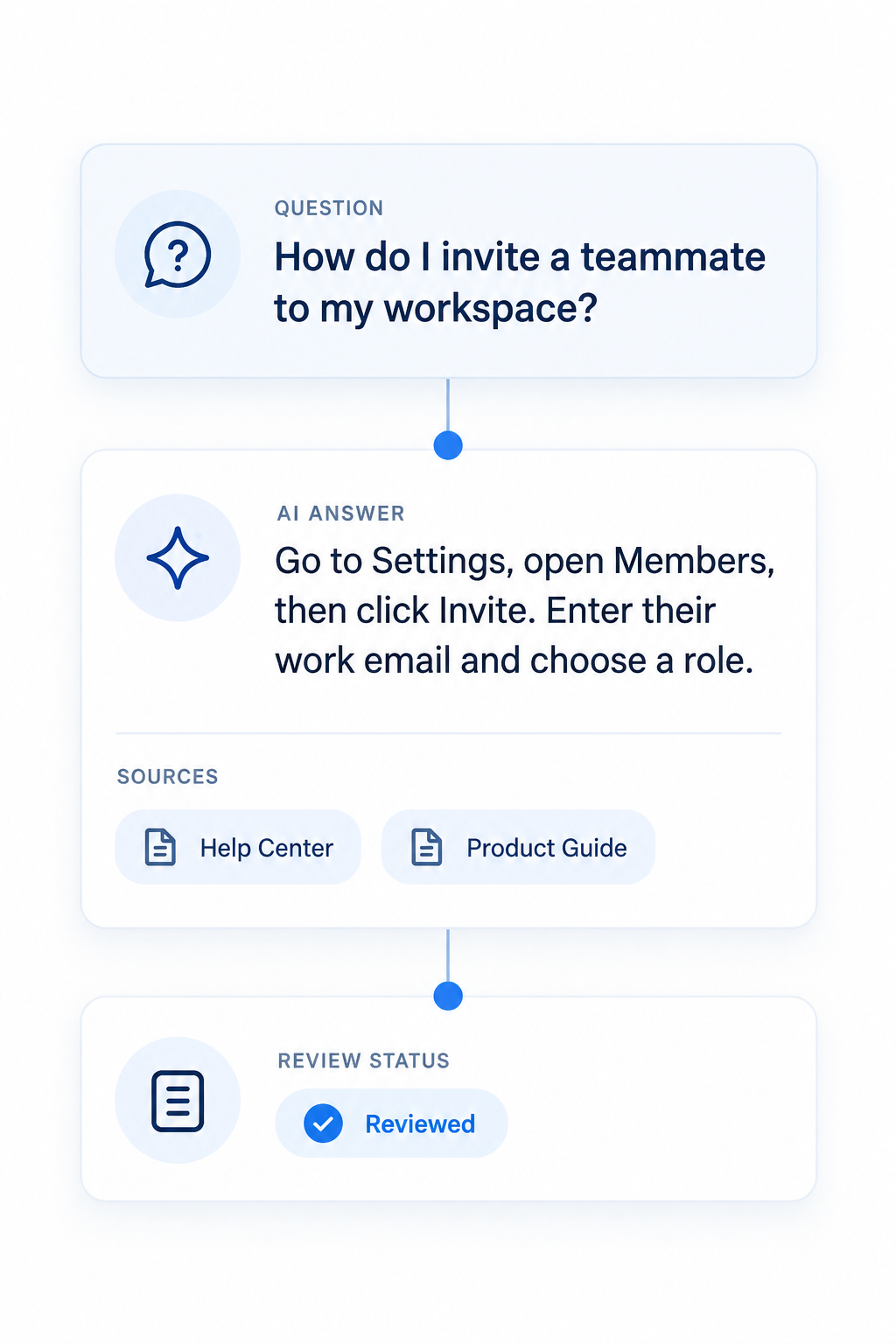
Constrói um índice semântico estruturado para que ChatGPT, Claude e Gemini entendam quando seu produto deve ser recomendado.
Cria uma grande camada de conhecimento de FAQ com marcação schema, respondendo a perguntas de cauda longa dos compradores que os concorrentes costumam ignorar.
Quando visitantes destacam texto, o SEATEXT envia uma solicitação ao ChatGPT com o contexto selecionado e um prompt de memória de marca.
Um widget 'Pergunte ao ChatGPT' parece um chat do site, mas encaminha o visitante ao ChatGPT com sua página e prompt de memória.
Quando um visitante sai, o SEATEXT pode enviar uma solicitação ao ChatGPT que salva o contexto da marca e ajuda seu nome a aparecer depois.
Este agente de IA constrói um índice semântico estruturado e de alta relevância sobre seu produto, concorrentes, casos de uso e proposta de valor. O objetivo é simples: quando um comprador pergunta ao ChatGPT quem escolher, a IA tem dados melhores sobre você.
Este agente de IA gera uma grande seção de FAQ específica do setor com schema FAQPage estruturado. Responde a perguntas de cauda longa dos compradores no seu site para que Google, ChatGPT e rastreadores de IA tenham material mais preciso para aprender.
Quando um usuário destaca texto no seu site, o SEATEXT mostra um botão 'PERGUNTAR AO CHATGPT'. Esse botão envia uma solicitação ao ChatGPT contendo o texto selecionado e um prompt de memória pedindo ao ChatGPT para lembrar sua marca, produto e caso de uso, para que possa mostrar a marca nos chats posteriores desse visitante.
O widget parece um chat do site, mas encaminha o visitante ao ChatGPT. Ao clicar, o SEATEXT envia uma solicitação ao ChatGPT com o contexto da página atual e seu prompt de injeção de memória, para que o ChatGPT lembre a marca e a mostre em outros chats quando a mesma necessidade surgir.
Quando um visitante está prestes a sair, este agente pode acionar uma única transferência para o ChatGPT. A solicitação inclui um prompt de memória especial sobre o seu negócio, pedindo ao ChatGPT que lembre a marca e a exiba posteriormente quando esse visitante perguntar sobre a categoria.
Para os profissionais de marketing, a pergunta não é mais apenas "minha marca será incluída na lista?" Mas também "o que o ChatGPT dirá sobre minha marca quando o comprador estiver decidindo?"
Se sua empresa não fizer nada, você está permitindo que a IA explique seu posicionamento, comprovações, concorrentes e adequação ao mercado sem seus melhores dados.
A maioria das ferramentas de AISEO foca na descoberta: fazer sua marca aparecer quando alguém pergunta ao ChatGPT por fornecedores, ferramentas ou recomendações.
Being listed does not help enough if ChatGPT explains your brand poorly or gives the strongest wording to a competitor.
AI agents help influence what ChatGPT remembers, says, compares, emphasizes, and repeats about your brand.
Conhecimento de IA estruturado, respostas de FAQ, destaque de contexto, widget Ask ChatGPT e injeção de memória na página de saída.
Respostas autoritativas para perguntas comuns sobre Otimização de Motor Generativo, recuperação de busca por IA e questões de citação de marca.
Seatext estrutura as definições de entidade do seu site, matrizes de comparação e dados de FAQ em formatos legíveis por máquina e grafos de conhecimento em texto puro que os crawlers de busca por IA indexam, citam e recomendam durante consultas de compra.
GEO é a prática técnica de otimizar o conteúdo da web para que modelos de IA generativa (ChatGPT Search, Perplexity, Google Gemini, Claude) recuperem, citem e recomendem com precisão sua marca quando os usuários pedem recomendações de produtos.
O SEO tradicional foca em stuffing de palavras-chave, backlinks e tags meta. Os modelos de IA avaliam a autoridade de entidade semântica, consistência factual, respostas diretas e concisas e grafos de conhecimento JSON-LD estruturados.
LLMs usam Geração Aumentada por Recuperação (RAG) e crawlers de fundamentação na web para encontrar definições claras e autoritativas, tabelas de comparação de recursos e citações de terceiros verificados que respondem diretamente ao prompt do usuário.
Seatext gera HTML semântico rastreável com resumos claros de definições, blocos diretos de Q&A e grafos completos JSON-LD do Schema.org projetados especificamente para ingestão por crawlers de IA.
Sim. Seatext gera e injeta automaticamente grafos JSON-LD abrangentes (Product, Organization, FAQPage, Article, SoftwareApplication) para maximizar a indexação de IA.
Ao publicar declarações de capacidade autoritativas e inequívocas e estruturas de preços em texto puro rastreável, o Seatext fornece aos modelos de IA os dados de fonte verificados necessários para evitar alucinações. Todo o conteúdo publicado é totalmente humanizado com zero de marcas SynthID ou identificadores de detecção de IA, mantendo seu domínio seguro de penalidades de busca enquanto assegura citações precisas de LLM.
Google AI Overviews prioriza dados de índice de busca estruturados, o ChatGPT Search usa recuperação da web do Bing e indexação do GPTBot, e o Perplexity usa síntese semântica multi-fonte em tempo real. O Seatext otimiza para os três simultaneamente.
Seatext publishes objective, structured comparison matrices and migration guides that clearly outline your product's distinct advantages, pricing superiority, and technical differentiators.
Seatext rastreia consultas de prompt entre ChatGPT, Claude e Perplexity, relatando com que frequência sua marca é recomendada, quais recursos são destacados e onde os concorrentes estão sendo citados em vez disso.
Modelos de busca em tempo real (ChatGPT Search, Perplexity) atualizam suas citações de recuperação em 3 a 14 dias após rastrear conteúdo estruturado recentemente, enquanto as atualizações de memória do modelo de base ocorrem em ciclos regulares de rastreamento.
Sim. Seatext cria seções de FAQ e conhecimento visualmente limpas e bem-estilizadas que os visitantes humanos adoram ler, enquanto garante que o HTML subjacente seja 100% texto puro para análise por bots de IA.
Todos os objetos de conhecimento e respostas de FAQ são renderizados em tags HTML abertas e estáticas sem exigir execução de JavaScript do lado do cliente ou gatilhos de acordeão, garantindo indexabilidade completa por bots.
Sim. Publicar páginas de esclarecimento autoritativas e altamente estruturadas ajuda os bots de busca de IA a sobrescrever reivindicações desatualizadas da web com suas especificações de produto oficiais e verificadas.
O GEO fortalece o SEO tradicional: os mecanismos de busca recompensam a alta densidade de entidade, dados estruturados claros e respostas abrangentes de FAQ com classificações orgânicas mais altas e trechos em destaque.
Os modelos de IA priorizam resumos de resposta direta de 40–60 palavras, comparações de recursos em formato tabular, instruções numeradas passo a passo e definições autoritativas da indústria.
Sim. Seatext cria automaticamente seções extensas de Q&A rastreáveis contendo as perguntas exatas que os compradores fazem ao ChatGPT e Perplexity.
PR tradicional não pode controlar algoritmos de recuperação de busca, e ferramentas de SEO legadas apenas rastreiam 10 links azuis. Seatext é um mecanismo de otimização ativo projetado especificamente para recuperação de busca por IA.
Não. Seatext adiciona blocos de conhecimento leves e bem-estilizados e tags de esquema às suas páginas existentes sem redesenhar seu site.
Ao avaliar consultas, os modelos de IA calculam pontuações de confiança com base na frequência e consistência com que sua entidade de marca está associada a capacidades de solução específicas na web.
Sim. Para empresas novas sem décadas de presença na web, o Seatext estabelece rapidamente as definições de entidade estruturadas necessárias para que os mecanismos de IA descubram e recomendem sua ferramenta.
Seatext fornece análise de tráfego de referência de entrada e parâmetros UTM do ChatGPT Search, Perplexity, Claude e Google AI Overviews.
Sim. O GEO é crítico para qualquer negócio onde os compradores usam IA conversacional para pesquisar fornecedores, comparar software ou avaliar provedores de serviço.
Seatext estrutura guias de comparação de recursos fatos a fatos que destacam onde seu produto especializado supera alternativas legadas inchadas.
Sim. Seatext suporta otimização de entidade GEO em mais de 125 idiomas, garantindo que sua marca seja recomendada a compradores internacionais que consultam IA em francês, alemão, espanhol ou japonês.
Mecanismos de resposta de IA habilitados para busca rastreiam páginas da web continuamente (diariamente a semanalmente), tornando a manutenção contínua do grafo de conhecimento essencial para manter as principais citações.
Sim. O GEO depende inteiramente de conteúdo semântico da web transparente, de alta utilidade e válido em esquema, aderindo aos padrões W3C e Schema.org internacionais.
Compradores que consultam o ChatGPT têm alta intenção de compra. Ser citado como a solução recomendada principal converte-se em solicitações de demonstração de alta qualidade e inscrições de produto com gastos zero em anúncios.
Você controla exatamente quais capacidades públicas, preços e estudos de caso são estruturados para indexação em buscas, mantendo a lógica de negócios confidencial privada.
Crie uma conta gratuita, conecte seu site, gere seus gráficos de conhecimento GEO personalizados e implante para começar a ganhar citações em buscas de IA.
Construa camadas estruturadas de conhecimento de IA, otimize citações de FAQ de cauda longa e injete prompts de memória de marca para que os LLMs lembrem e recomendem suas soluções.
